

An all-inclusive resort is built to make the middle of a vacation feel easy. You arrive, settle into one place, and have your room, meals, drinks, pools, beach time, and much of the entertainment close at hand. That simple rhythm is the appeal. The part that takes a little care is understanding what the specific resort and package actually include before you book.
The right all-inclusive trip can be wonderfully uncomplicated. The wrong fit can leave you paying extra for the experiences you expected, eating at times that do not suit you, or staying at a resort that feels too quiet or too busy. Use this guide to understand how the model works, then choose around the kind of vacation you want to have.
Start With the Difference Between a Resort Stay and a Vacation Package
An all-inclusive resort rate usually covers your stay at the property and the benefits that property bundles with it. That can include your room, meals, snacks, a standard selection of drinks, pools, beach facilities, scheduled activities, and evening entertainment. Hilton's overview of the all-inclusive model describes the appeal as having lodging, dining, drinks, and activities handled in one resort stay, while the exact offerings still differ by property. Use a resort's ownall-inclusive overviewas a useful reminder to read the details for the actual property, room, and dates you are considering.
A vacation package is the larger trip built around that resort. It may add flights, checked-bag rules, airport transfers, a pre-trip hotel, travel protection, or a special room category. That is why two offers can both say "all-inclusive" but have very different total prices. One could be a resort-only booking. The other could include most of the travel days on either side as well.
Before comparing a price, write down the pieces you need: travel dates, flights, room category, transfers, traveler count, and any must-have experiences. Then compare complete trips with the same assumptions. A lower resort rate is not automatically the better value if it leaves you with a long connection, an awkward arrival, or a room you would never choose.
What a Normal Day at an All-Inclusive Resort Looks Like
The day is designed around convenience. Breakfast may be a buffet, a coffee bar, room service, or a sit-down restaurant. From there, you can spend the morning by the pool, on the beach, in a fitness class, or doing nothing at all. Lunch is close by. In the afternoon, you can join an activity, take a nap, reserve a spa treatment, or read with a drink in reach.
Evenings often bring the biggest range of choice: casual dining, reservation-only restaurants, live music, a show, a quiet lounge, or an early night. Families may use kids clubs and flexible dining. Couples may care more about an adults-only pool, a good dinner setting, and a room that feels worth lingering in. The resort is not just a place to sleep. It is the setting for most of the trip.

Included Does Not Mean Every Choice Is Included
Most resorts have a standard tier of food, drinks, activities, and entertainment that comes with the stay. That is often plenty. The details that can change the experience are usually the upgrades: a premium bottle of wine, a special tasting menu, a private beach dinner, a cabana, a spa treatment, motorized water sports, scuba certification, golf, or a private transfer.
Do not treat those extras as a reason to avoid the resort. Treat them as a decision list. If a romantic dinner, elevated wine program, or private boat day matters to you, plan for it from the start. If your idea of a great week is a pool chair, tacos at lunch, and simple dinners, the standard included choices may be exactly what you want.
For a closer look at the usual inclusions and common add-ons, read the related guide on what an all-inclusive vacation includes. It is useful when you are comparing a resort's marketing page with the actual details of your room and package.
Choose the Resort for Your Travel Style
Start with the reason for the trip, not a photo of a pretty pool. A honeymoon or anniversary may call for quiet pools, great dining, walkable grounds, and a room with real privacy. A family may need water features, flexible meal times, kids clubs, and room layouts that work for everyone. A friends trip could be better at a lively property with late-night energy, group-friendly rooms, and easy beach time.
Then look at the decisions that shape every day: adults-only or family-friendly, beach quality, pool scene, restaurant variety, room location, mobility needs, and how far the airport is from the resort. A large property can offer more choices but more walking. A smaller one can feel calmer but have fewer dining venues. There is no universal best resort. There is a resort that fits the way you want to spend your time.

Read the Room and Dining Details Before You Fall for the Rate
Room category changes more than the view. It can affect where you are on the property, whether you have outdoor space, the size of the room, who can use a lounge, whether the minibar has upgraded choices, and how easily you can reserve popular restaurants. Read the exact description, not just the room name. "Ocean view" can mean a broad horizon, a side angle, or a distant glimpse.
Dining needs the same attention. Ask which restaurants need reservations, whether there are limits on short stays, what the dress expectations are, and whether there are age restrictions. Check whether room service is included and whether the resort can accommodate dietary needs. A long list of restaurants sounds impressive, but the better question is whether you can enjoy the meals that matter to you on the nights you are there.
Use a Simple Booking Sequence
A good all-inclusive booking has an order to it. First, choose your travel window and decide how many full resort days you want. Then narrow the destination based on flight time, weather, airport access, and the kind of beach or scenery you care about. Only then start comparing resorts. This keeps you from falling for a great rate that creates a difficult travel day or puts you somewhere that does not match the trip you pictured.
Once you have two or three promising resorts, compare their room categories side by side. Look at the standard room and the upgrade that genuinely changes the experience, such as a better location, a balcony, swim-up access, or a suite that gives a family room to spread out. Put the dining rules, transfer choices, and resort fees on the same list. That is how a decision starts to feel clear instead of like a pile of tabs.
Finally, hold the room while you confirm flights and the travel day around it. Travelers often spend more energy comparing restaurants than arrival times, but the first and last days shape how the whole trip feels. Give yourself enough time to reach the resort, settle in, and enjoy what you paid for. The same goes for departure day. An early pickup can make one more included breakfast feel far less important than an easy trip home.
Decide How Much of the Destination You Want to See
Some travelers are happy to stay on property for most of the week. Others want a beach morning at the resort and a local tour, snorkeling outing, or dinner away from it. Both are good ways to travel. The important thing is to choose the resort location and trip length around that preference.
A day away from the resort can add a lot, but it usually changes the budget. Transportation, tours, restaurant meals, and tips may be separate. Confirm the pickup point, timing, physical demands, and cancellation policy before booking. For international trips, the CDC's food and drink guidance for travelersis also worth checking before you head beyond the resort.
Build a Full Trip Budget Before You Commit
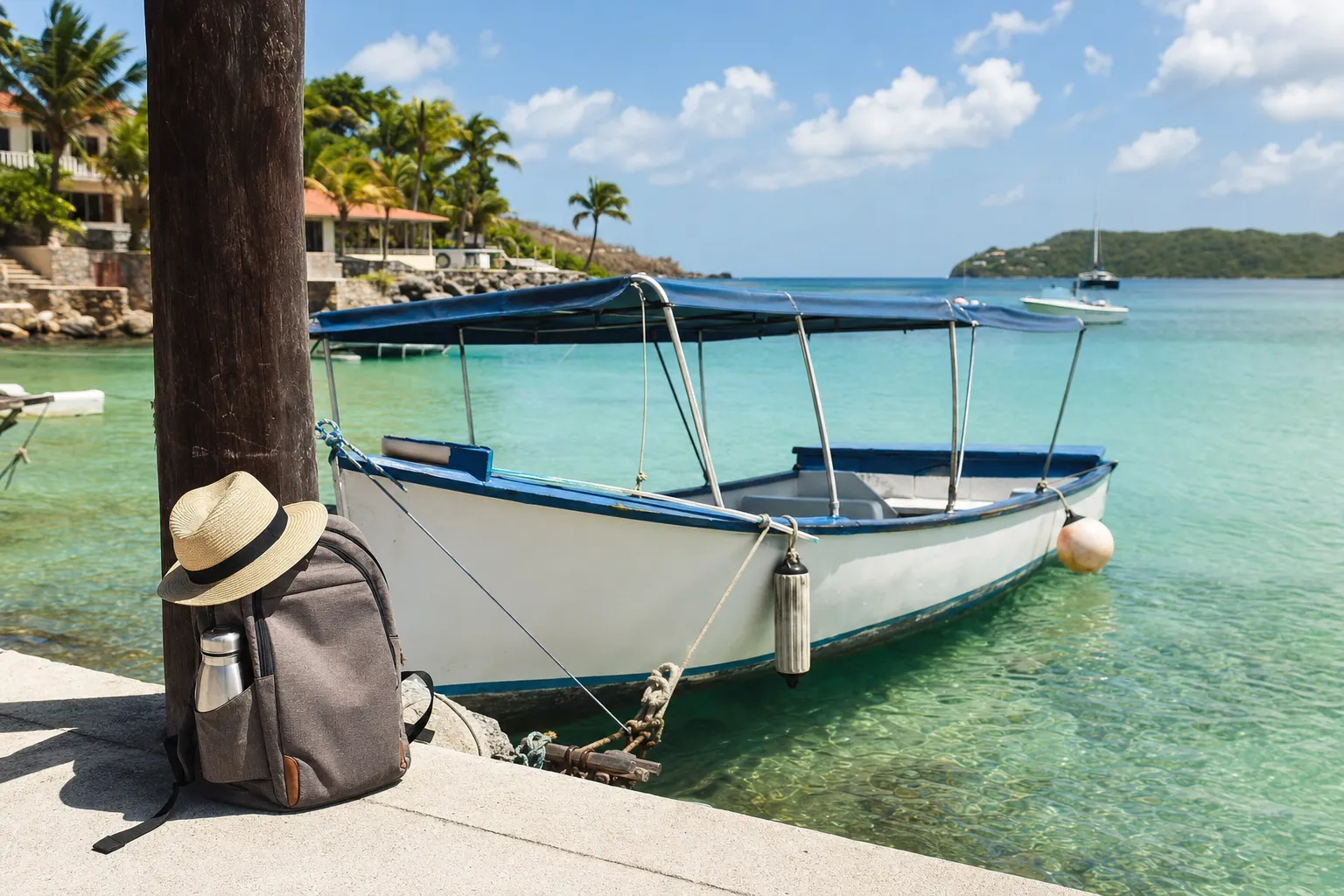
A straightforward budget starts with the resort and works outward: flights, airport transfers, room upgrades, travel protection, gratuities, excursions, spa time, and any special dinners you know you want. You may not spend on every category, but seeing them together makes the tradeoffs clear. It also protects the feeling of an easy trip once you arrive.
When flights are involved, do not just compare the headline fare. Arrival time matters. A late landing can reduce your first resort day. An early departure can make the last one feel rushed. A private transfer may cost more than a shared option, but be worth it for a long arrival day or a celebration trip. The best choice is the one that makes the whole itinerary feel smooth.
This is also the moment to decide what a meaningful upgrade is worth to you. A better room can be a smart choice when you expect to enjoy the balcony, location, or extra space every day. It is less valuable when the group plans to be out from breakfast until late evening. In the same way, a higher nightly rate may be the better deal when it includes the dining access, transfer, or airport schedule you would otherwise add later. The goal is not to spend more. It is to spend on the part of the trip you will actually remember.
Keep a small separate amount for the moments an all-inclusive rate does not try to cover: a taxi after dinner in town, a guide who made a day special, a market purchase, or a spontaneous activity you discover after arriving. That little bit of room in the budget keeps you from treating every optional choice as a problem. It lets the resort handle the easy parts while you still have freedom to make the trip your own, whether that means one sunset cruise, a favorite local lunch, or an afternoon with no plan at all.
Basic preparation matters too. Check the U.S. Department of State's destination travel guidancebefore an international trip, and make sure your travel documents, health needs, and insurance coverage match the actual destination and activities on your plan.
Where Curt Can Help
Resort websites make every property look great at sunset. Curt helps bring the practical questions into focus before you book: which resort suits your group, whether the room upgrade changes the experience, which transfers make the most sense, and whether the complete trip stays within the budget you had in mind.
For a beach escape, anniversary, honeymoon, or family trip, look through Curt's travel planning options orstart a conversation about your trip. You bring the reason for getting away. Curt can help make the details feel easy before you travel.
Frequently asked questions
Do you pay for everything up front at an all-inclusive resort?
You usually pay for the room and the resort's standard included benefits in advance, then pay separately for any extras you choose. Flights, transfers, premium drinks, spa services, excursions, and certain restaurants may be separate depending on the resort and the package.
Can you leave an all-inclusive resort during your stay?
Yes. Many travelers spend most of their time on property but schedule a beach day, tour, meal, or cultural visit elsewhere. Plan transport, timing, and the cost of that day before you go so it feels like part of the trip rather than a surprise expense.
Are all-inclusive resorts worth it for couples?
They can be an excellent fit for couples who want an easy rhythm, a strong beach or pool setting, and fewer decisions after arrival. The best value depends on whether you will enjoy the included dining, drinks, and on-property time rather than spending every day away from the resort.
How many nights should you stay at an all-inclusive resort?
Four to seven nights works well for many travelers, depending on flight time, the destination, and whether you want days beyond the resort. A shorter stay can still be relaxing when travel is simple, while a longer stay gives you more room to enjoy the property without feeling rushed.
Related posts
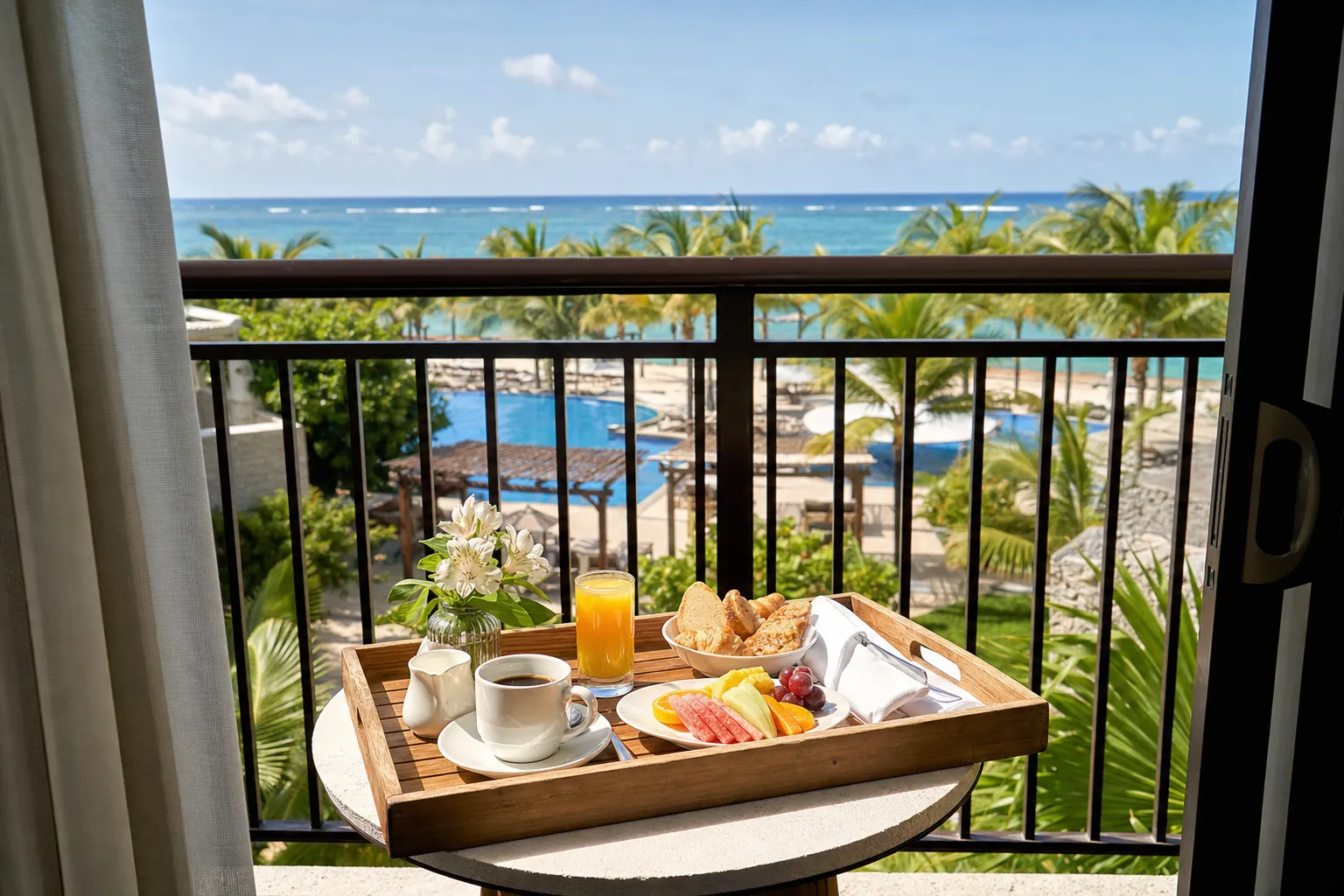
What Does an All-Inclusive Vacation Include?
A practical guide to what is usually covered, what often costs extra, and the questions to ask before you book.

How to Choose a Cruise That Fits Your Trip
A practical guide to choosing the right cruise ship, itinerary, cabin, budget, and travel details before you book.