
A cruise can make a big trip feel wonderfully simple. Your room moves with you, meals are close by, and each morning can bring a new shoreline. The choice is not really whether cruising is a good idea. It is which ship, route, cabin, and pace will make the experience feel like your kind of vacation.
That is where travelers can get overwhelmed. Two seven-night sailings can look similar at first glance while offering very different days: one may be built around busy pool decks and sea-day entertainment; the other around small ports, scenic sailing, and quiet evenings. Use this guide to narrow the choices before you start comparing fares.
Start With the Trip You Want, Not the Ship You Saw Online
Begin with the reason you are going. Couples may want a grown-up ship with unhurried dinners and a balcony for sunrise coffee. Families might care most about flexible dining, kids programs, pools, and cabins that actually sleep everyone comfortably. Friends could want nightlife, a lively pool deck, and a route with easy beach days. A multigenerational group may prioritize simple flights, short transfers, and a ship where every age has an easy place to spend the day.
Then decide what kind of rhythm sounds good. A port-heavy Mediterranean sailing can mean early mornings and long walking days. A Caribbean itinerary often offers a slower mix of sea days and beach stops. Alaska, Norway, and other scenic routes reward time on deck and a cabin with a view. None is automatically better; the right one matches the way you want to spend your energy.
Choose the Itinerary Before You Fall for the Fare
A lower cruise fare can be tempting, but the sailing itself should make sense first. Look at the embarkation port, flight options, arrival time, departure time, and the amount of time at each stop. A ship that leaves from an easy airport can save a connection, a hotel night, and a stressful morning. A route with only a few hours in a port may be perfect for a quick taste of a destination, but it will not suit a traveler hoping to wander slowly or book a longer excursion.
Read the itinerary in sequence. Ask which days are at sea, when tender boats may be used, how early you need to return to the ship, and whether the port order matters to you. In places with a long drive from the harbor, a beautiful destination can become a rushed day. Planning around those details makes the cruise feel easier once you board.

Match the Ship to Your Travel Style
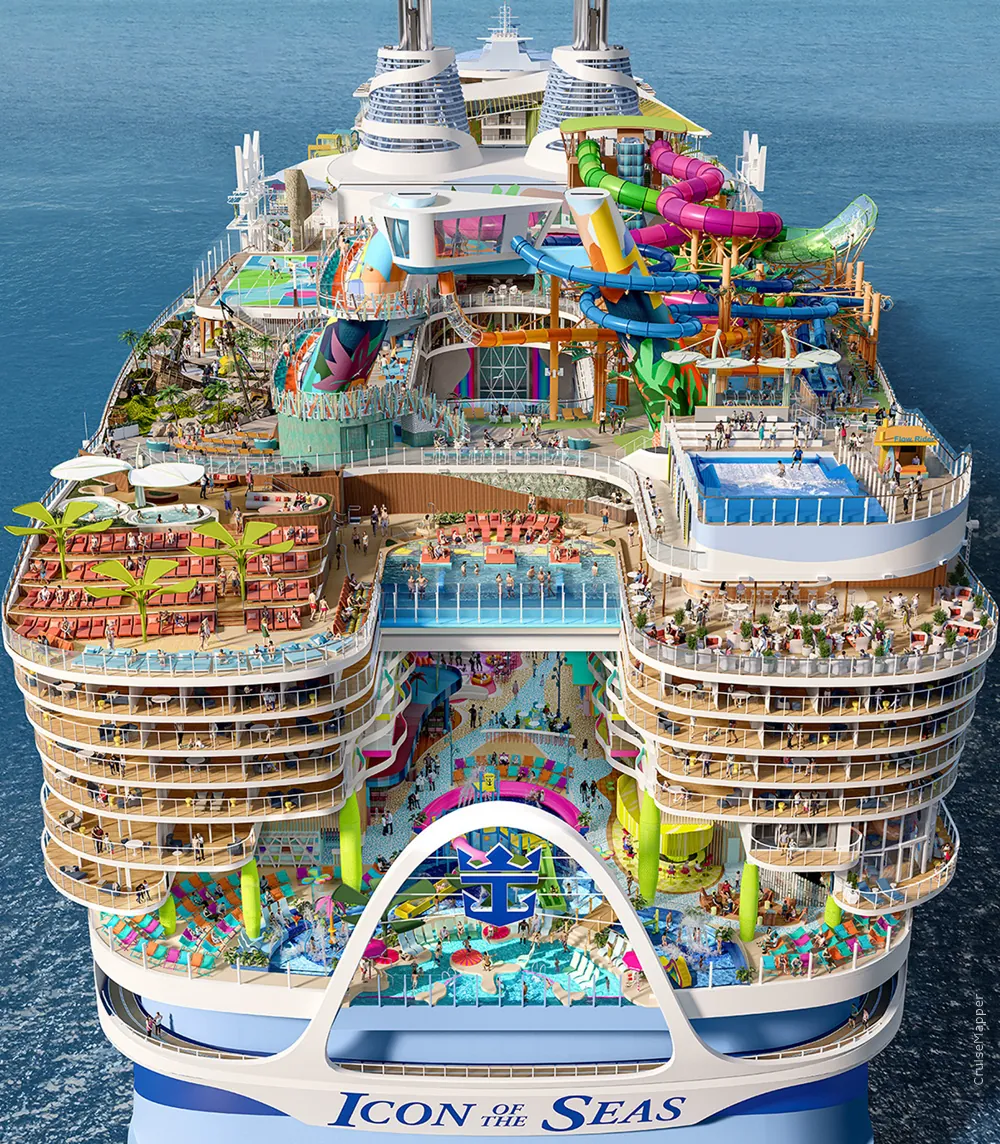
Ships have personalities. Larger ships can offer more restaurants, shows, pools, family activities, and cabin choices. They can also feel busy on sea days and in popular spaces. Smaller ships may make it easier to settle into a quieter rhythm, visit ports that larger vessels cannot reach, or spend more time focused on the destination. The tradeoff can be fewer onboard options and a different price point.
Look beyond the newest ship or the biggest headline attraction. Consider dining style, dress expectations, the mix of ages onboard, adult-only space, evening entertainment, fitness and spa options, and whether the ship feels easy to navigate. A good match is not about choosing the most features. It is about choosing the features you will genuinely use.
Pick a Cabin for the Way You Will Use It
Cabin categories are often described as inside, oceanview, balcony, and suite, with important variations by ship. Disney Cruise Line, for example, groups its rooms into Concierge, Verandah, Oceanview, and Inside categories, while the actual layouts and benefits still vary by vessel. Treat the category as a starting point, then compare the exact cabin location, bed setup, bathroom arrangement, and included benefits.
Inside cabins can be a smart value for travelers who plan to be out exploring from breakfast to late night. Oceanview rooms bring natural light without the price of private outdoor space. A balcony is especially appealing on scenic routes, longer sailings, and trips where a quiet coffee or wind-down matters. Suites can offer more room and perks, but they are worth it only when those extras improve the trip you actually want.
Pay attention to location as well as category. A room close to elevators may feel convenient or noisy, depending on the deck. A cabin beneath a pool deck or nightclub can be less restful. Connecting rooms, accessible rooms, and cabins for more than two travelers can sell first, so flag those needs early. Royal Caribbean notes that accessible staterooms can include wider doors, turning space, ramped thresholds, grab bars, and selected accessible balconies; confirm the specific ship and cabin before booking.
Build a Realistic Cruise Budget
The cruise fare is only one line of the trip. A complete budget can include flights, a pre-cruise hotel, airport transfers, parking, gratuities, drinks, Wi-Fi, specialty dining, shore excursions, travel protection, and spending in port. Some travelers will want a drinks package or upgraded dining. Others would rather spend that money on a balcony or a private excursion. There is no universal right allocation.
Compare totals with the same assumptions. One quote may include gratuities and transfers while another leaves them for later. One sailing may call for an extra hotel night because of flight times. A less expensive interior cabin can be the better value if it creates room for the excursions you care about; a balcony can be the better value if scenic sailing is the reason you chose the route. The clearest comparison is the full trip, not the first price you see.
Know What the Cruise Fare Usually Covers
A standard cruise fare generally covers your cabin, many meals, scheduled entertainment, and access to the ship's basic public spaces. That can make a cruise feel like excellent value, especially when you want your hotel, dining, and transportation between destinations handled in one booking. It also makes it easy to assume that every experience on board is already paid for. That is rarely the case.
Specialty restaurants, cocktails, premium coffee, internet, gratuities, spa treatments, casino play, laundry, shore excursions, and select attractions can carry separate charges. Some lines include more in the base fare than others; some let you add a package, while others price each choice individually. Ask for the details in writing, particularly if you are comparing two lines with very different fare structures.
The point is not to avoid extras. It is to decide which ones matter before they become a surprise. A traveler who enjoys one simple dinner and early nights may have little use for a specialty-dining package. A group that wants Wi-Fi, coffee, cocktails, and several premium meals may find a bundled package simpler.
Plan Your Port Days Before You Board
You do not need to schedule every hour, but you should know the shape of each stop. Choose one or two ports where an excursion matters most, then leave room for a simple walk, a beach afternoon, or a long lunch elsewhere. Check the meeting point, duration, physical activity, cancellation terms, and how much independent exploration you will realistically have after the excursion ends.
Ship-run excursions can be reassuring when the timing is tight or the destination is far from the harbor. Independent plans can offer more flexibility when the port is easy to explore and you have a generous return time. The important thing is to understand the ship's all-aboard time and build in a buffer. Ships run on ship time, not the time you wish you had.
A simple port-day plan is often the most enjoyable one: choose the one experience you would regret missing, allow time to get back to the ship without rushing, and leave the rest of the day open for the unexpected café, beach, market, or view that makes travel feel personal.
Make Embarkation Day Easy on Yourself
The smoothest cruise usually starts before you reach the terminal. When flying to a ship, arriving the day before gives you room for a delay, a missed connection, or luggage that takes an extra day to catch up. It also turns embarkation morning into a relaxed transfer instead of a race against the clock.
Keep medications, travel documents, a change of clothes, and any immediate essentials in a carry-on. Checked bags can take time to reach your cabin after boarding. Complete online check-in as soon as it opens, confirm the terminal address, and know what time your boarding group begins. Small preparation lets you start the trip with a walk around the ship instead of last-minute questions. It is a small step that protects the whole vacation.
Do Not Leave Documents and Health Planning Until the Last Week
A passport book is the simplest, most flexible document to carry. U.S. Customs and Border Protection says some U.S. citizens on eligible closed-loop cruises may be able to re-enter with proof of citizenship and photo identification, but both CBP and the U.S. State Department recommend a passport because an emergency or disruption can require flying home. Review CBP's cruise document guidance and the State Department's cruise-ship travel advice before you book.
Health planning deserves the same attention. The CDC's cruise travel guidance notes that onboard medical capability and cost vary by ship, route, and duration, and that care is typically not included in the fare. Review what your regular insurance covers outside the country and consider medical and emergency-evacuation coverage, particularly for remote routes. Travelers with pre-existing conditions, mobility needs, or special equipment should speak with the cruise line early about the specific ship.
That early conversation can also make the trip more comfortable on board. Confirm any dietary needs, mobility equipment, medication storage, oxygen arrangements, or assistance requested at the terminal. Requirements and advance-notice windows vary by line and service, so a promise that a ship is accessible is not enough on its own. The useful question is whether the specific sailing, cabin, transfer, and shore plan work for the person taking the trip.
Where Curt Can Help
Cruise websites are great at showing polished deck photos and a long list of sailings. Curt helps make the practical fit clear: which departure port keeps travel simple, which ship matches your pace, whether the cabin upgrade is worthwhile, how to compare total trip costs, and which details need to be settled before you pay the deposit.
If you are weighing a Caribbean escape, a scenic itinerary, a family sailing, or a celebration at sea, explore Curt's cruise planning options or start a conversation about your trip. You can also compare the appeal of a ship-based trip with a resort stay in the all-inclusive vacation guide.
Frequently asked questions
How far ahead should I book a cruise?
Popular school-break sailings, suites, accessible rooms, and specific dining times can reward early planning. The best timing depends on the route, cabin type, and how flexible you are with dates, so compare the complete itinerary rather than waiting for one headline price.
Is a balcony cabin worth it?
A balcony can be worthwhile when you expect to use quiet outdoor space, enjoy scenic sailing days, or want an easy place to step away from busy public decks. For a port-heavy itinerary where you will spend little time in the room, an oceanview or inside cabin may offer better value.
Do I need a passport for a cruise?
A passport book is the safest choice. Some U.S. citizens on eligible closed-loop cruises may be able to re-enter with other documents, but a missed ship, medical emergency, or itinerary change can require flying home. Check your cruise line and every destination's rules before booking.
What costs extra on a cruise?
The fare commonly includes the cabin, many meals, entertainment, and basic activities. Flights, transfers, gratuities, specialty dining, drinks, Wi-Fi, shore excursions, spa services, and some attractions can be additional. Ask for a complete quote that separates included items from optional upgrades.
Related posts
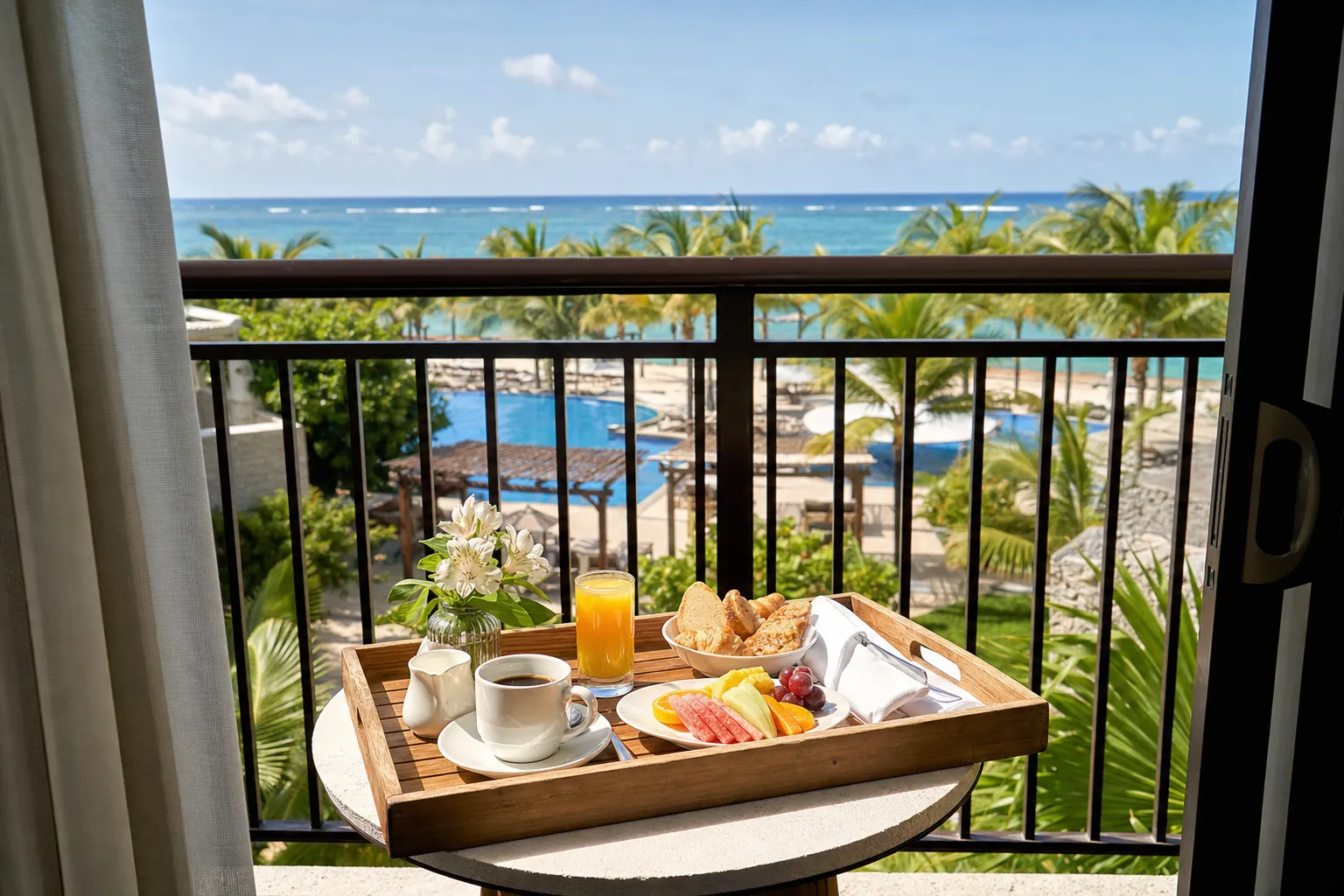
What Does an All-Inclusive Vacation Include?
A practical guide to what is usually covered, what often costs extra, and the questions to ask before you book.

How Do All-Inclusive Resorts Work? A Simple Guide
See how an all-inclusive stay works, what to compare before booking, and how to choose a resort that fits your trip.