

A first cruise has a funny way of feeling both wonderfully simple and slightly mysterious. Your hotel travels with you, meals are nearby, and a new place can be waiting outside each morning. At the same time, a ship has its own rhythms, rules, and vocabulary. The best first-time cruise tips are not about trying to do every activity. They are about handling a few practical decisions early, so you can relax once you step aboard.
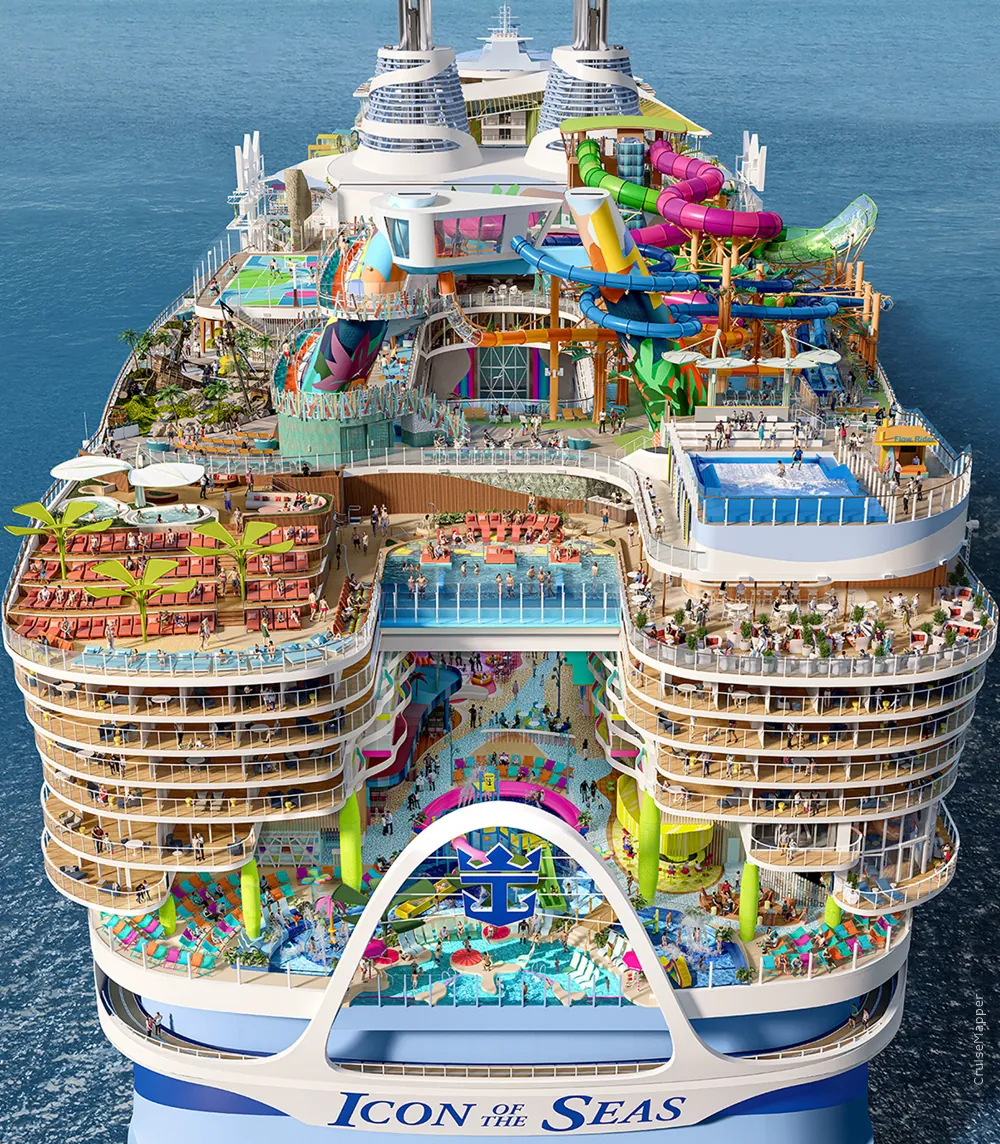
Think of this as a guide to the parts a glossy ship photo cannot answer: how to choose a sailing that fits, why embarkation day deserves a little planning, what belongs in your carry-on, and how to avoid turning a simple vacation into a string of small surprises. Cruise line details can change by ship and sailing, so use these as smart questions to confirm for your own trip.
1. Choose the right kind of first cruise
Your first sailing does not need to be the biggest ship, the longest route, or the lowest fare. It needs to feel manageable and appealing for the people going. Start with the amount of time you want away, the airport or drive you can comfortably manage, and the kind of days you hope to have. A short Caribbean cruise can be an easy introduction to sea days, pools, shows, and a few warm-weather ports. A scenic route may suit someone who cares more about the views, the destination, and quiet time on deck.
Then compare the ship itself. Large ships tend to offer more dining choices, family activities, entertainment, and cabin types. Smaller ships can feel more intimate and may reach different ports. Neither is automatically better. Couples may want grown-up space and relaxed evenings. Families may prioritise cabin layouts, pools, kids programs, and flexible dining. A group might value a ship where everyone can choose their own pace without needing the same plan all day.
Curt's guide to choosing a cruise that fits your trip is a useful next step when you are comparing ships, routes, cabins, and the full trip cost. The point is to pick a vacation you will enjoy from the airport through the final morning, not just a route that looks good in a search result.
2. Read the itinerary like a real schedule
A cruise itinerary is more than a list of destination names. Look at the departure port, boarding window, sail-away time, sea days, time in each port, and the final return time. A port that sounds exciting can still be a rushed day if the ship arrives late, leaves early, or docks far from the places you want to see. That does not make the itinerary wrong. It simply helps you set the right expectation before you book.
First-time cruisers often enjoy a balance between port days and time at sea. Sea days give you time to learn the ship, take a slow breakfast, try a show, sit by the pool, or do absolutely nothing. Port-heavy itineraries can be great, but they ask more of you in alarms, meeting times, walking, and planning. The best choice is the one that matches the energy you want from your holiday.

3. Treat embarkation day as part of the vacation
Embarkation day is usually more relaxed when you remove the race from it. If you are flying to the port, plan to arrive the day before when you can. A delayed flight, missed connection, or bag that takes another flight is irritating on any trip. On embarkation morning, it can put an entire sailing at risk. A nearby hotel night is not always glamorous, but it buys breathing room and lets you arrive at the terminal ready to enjoy the experience.
Complete your cruise line's online check-in as soon as it opens, and save the terminal address, boarding time, travel documents, and transfer plan somewhere easy to reach. Check the cruise line's current document requirements for every traveler and every port. A passport book is often the most flexible travel document, but the right documents depend on your nationality, route, and any flights before or after the cruise. Do not leave that check until the week you sail.
Once you board, your cabin may not be ready immediately. That is normal. Use the first hour to get your bearings, find a casual place to eat, and walk through the areas you expect to use. A simple ship map photo on your phone can save plenty of wandering later, especially on a large vessel.
4. Pack one carry-on as if your checked bag is running late
Your larger bags are usually collected before boarding and delivered to the cabin later. Keep the things that matter for your first afternoon with you: travel documents, medications, a wallet, phone chargers, sunscreen, a swimsuit, sunglasses, a light layer, and a change of clothes. If you use a medical device, need a specific snack, or want to be prepared for a formal dinner, those items belong in the carry-on too.
For the rest of your packing, plan around your actual itinerary rather than the fantasy version of a cruise wardrobe. Bring comfortable shoes for the ship and each port, clothes for warm or cool evenings, and one outfit that feels a little more dressed up if that appeals to you. Check the forecast, the cruise line's suggested attire, and any excursions you have already booked. A glacier-viewing day, a beach stop, and a city walking tour call for different layers, even on the same sailing.
5. Learn what is included before you start spending
Cruises can feel wonderfully inclusive because your cabin, many meals, entertainment, and ship transportation between ports are wrapped into one booking. They are not all-inclusive in exactly the same way. Drinks, Wi-Fi, gratuities, specialty dining, spa treatments, excursions, laundry, premium coffee, and some attractions can be extra. What is included changes by cruise line, ship, fare, and package.
Before you buy anything onboard, decide what would genuinely make your trip better. A drinks package may suit some travellers and be a waste for others. Wi-Fi can be important for a family coordinating plans or unnecessary for someone hoping to unplug. Specialty dining can be a memorable celebration, but the main dining room and casual venues may already give you plenty of choice. The guide to what a cruise includes breaks down the usual categories so you can compare quotes with the same assumptions.
Set a comfortable spending number before you sail. It does not need to be precise to the dollar. It just needs to include the choices you know matter to you, plus a little room for the spontaneous shore day, cocktail, or souvenir that makes a trip personal.
6. Make a loose plan for the first day on board
The first few hours can feel like a cheerful blur. There may be lunch, a safety drill, dining reservations, activity sign-ups, pool time, and a lot of tempting things happening at once. You do not need to optimise every minute. Choose two or three priorities: find your cabin when it opens, complete any required safety steps, make a dining decision if one is needed, and get to know the places where you will spend the most time.
Take a few minutes to look at the daily schedule in the cruise line's app or printed programme. Mark one show, activity, or restaurant you would be disappointed to miss, then leave the rest open. This is especially helpful for a first sailing because it gives you a sense of the ship's rhythm without making every day feel scheduled.
7. Plan port days around one good experience
You do not need to see everything in every port. Pick the one experience that would make the stop feel worthwhile, then build in time to get back to the ship without rushing. That might be a beach afternoon, a food tour, a snorkelling trip, a scenic drive, or simply a walk through a town close to the pier. Read the excursion's meeting place, activity level, and return time before you commit.
Ship-organised excursions can make sense when the destination is far from the port or the timing is tight. Independent exploration can be lovely when the harbour area is easy to navigate and you want more flexibility. Whatever you choose, pay close attention to the all-aboard time. The ship will not wait because a café was excellent or a taxi was slow.
8. Give yourself permission to do less
A cruise offers more choice than any one person can use: restaurants, trivia, live music, pool games, lectures, shows, fitness classes, lounges, and quiet corners with a view. The first-time urge is to see everything. The better plan is to notice what you are enjoying and follow that. You may discover that your perfect cruise day is coffee on deck, a long lunch, one port adventure, and an early show. Or it may be a busy day of slides, games, and late-night music.
You have not wasted the trip if you skip an activity. You have found the rhythm that makes the ship work for you. That is valuable knowledge for your next sailing, too.
9. Keep ship time, health, and small comforts in view
A ship can visit different time zones, but its daily schedule runs on ship time. Check the clock in the cruise line's app or your cabin rather than relying only on your phone, particularly on a port day. Set a reminder well before the all-aboard time, and treat the final return time as the deadline, not the moment to begin walking back from town. That simple habit removes one of the most stressful first-cruise mistakes.
If you are concerned about motion, speak with a healthcare professional before you travel about what is appropriate for you and pack any recommended remedies in your carry-on. Many travelers find that fresh air, looking at the horizon, staying hydrated, and choosing a cabin location that suits their comfort helps them settle in. The ship's medical team is there if you need help, but it is better to start with the basics close at hand.
Finally, make the cabin work for you. Unpack enough that it feels like a small hotel room rather than a suitcase stop, keep the next day's essentials in one place, and build a quiet ten-minute reset into the afternoon if the ship feels busy. Those ordinary comforts are what turn a floating hotel into a holiday that feels easy.
Where Curt can help
First cruises are easier when the details are settled before you pay the deposit. Curt can help compare the routes, ship styles, cabins, departure ports, flights, hotel nights, transfers, and total trip costs that shape the actual experience. That means fewer tabs open, fewer assumptions, and a clearer plan for the people taking the trip.
When you are ready, explore Curt's cruise planning options or start a conversation about your first cruise. A good first sailing should leave you excited to take another one, not wondering what you missed.
Frequently asked questions
What should first-time cruisers do before sailing?
Read the exact itinerary and booking documents, complete online check-in, confirm travel documents, arrive near the port with time to spare, and keep medications, documents, and a change of clothes in a carry-on. Those few steps make the first day much calmer.
Should I arrive the day before a cruise?
If you are flying to the departure port, arriving the day before is usually the more comfortable plan. It gives ordinary travel disruptions room to happen before embarkation morning, rather than turning a delay into a risk to the entire vacation.
What do first-time cruisers usually pay extra for?
Extras often include flights, transfers, gratuities, drinks, Wi-Fi, specialty dining, excursions, spa services, travel protection, and purchases in port. The exact mix varies by cruise line, ship, fare, and the choices you make.
What should I pack in my cruise carry-on?
Keep travel documents, medications, valuables, a swimsuit, sunscreen, chargers, a change of clothes, and anything you need for the first few hours in your carry-on. Checked bags can take time to reach the cabin after boarding.
Related posts
How to Choose a Cruise That Fits Your Trip
A practical guide to choosing the right cruise ship, itinerary, cabin, budget, and travel details before you book.

What Does a Cruise Include? What You Pay For, and What You Do Not
A straightforward guide to what a cruise fare usually covers, the extras to plan for, and how to compare the full cost before you book.